
Extrusoras de Film Soplado Monocapa: Eficiencia y Costo
Single Layer Blown Film Extruder: Maximizing Efficiency and Cost-Effectiveness in Plastic Film Production
The production of plastic films has evolved significantly with advancements in technology, particularly through the use of single-layer blown film extruders. These machines are designed to enhance efficiency and reduce costs in the manufacturing process. In this article, we will explore the intricacies of monolayer blown film extrusion technology, its advantages, and how to analyze the costs associated with blown film extrusion lines. Additionally, we will discuss strategies to maximize efficiency in plastic film production and the specific manufacturing processes in Uruguay. By the end of this article, you will have a comprehensive understanding of how single-layer blown film extruders can optimize your production capabilities.
What is Monolayer Blown Film Extrusion Technology?
Monolayer blown film extrusion technology is a process used to produce plastic films by melting and extruding polymer materials through a die. This method is particularly effective for creating films used in packaging, agricultural applications, and various industrial uses. The process involves several key steps, including the melting of polyethylene pellets, forming a continuous film, and cooling it to achieve the desired thickness and properties.
How does the single-layer film blowing process work?
The single-layer film blowing process begins with the feeding of polyethylene pellets into the extruder, where they are heated until they melt. The molten polymer is then forced through an extrusion die, forming a thin tube of film. This tube is inflated with air to create a bubble, which is then cooled and collapsed into flat film. The film can be further processed into bags or other products. This method is efficient and allows for precise control over the film’s thickness and properties.
Which polyethylene materials are used in monolayer extrusion?
Monolayer extrusion primarily utilizes various types of polyethylene, including Low-Density Polyethylene (LDPE) and Linear Low-Density Polyethylene (LLDPE). LDPE is known for its flexibility and transparency, making it ideal for packaging applications. LLDPE offers improved tensile strength and puncture resistance compared to LDPE, making it suitable for stretch films and other demanding applications. High-Density Polyethylene (HDPE) is less commonly used in blown film extrusion due to its higher melting point and stiffness but can be used in some applications. The choice of material depends on the specific requirements of the final product, such as strength, clarity, and barrier properties.
What Are the Key Advantages of Monolayer Film Blowing Machines?
Monolayer film blowing machines offer several advantages that make them a preferred choice for manufacturers in the plastic film industry. These benefits include ease of operation, cost-effectiveness, and high production capacity.
- Ease of Operation: The simplicity of monolayer film blowing machines allows operators to quickly learn how to use them, leading to increased productivity and reduced training time.
- Cost-Effectiveness: Monolayer technology typically requires a lower initial investment compared to multi-layer systems, making it accessible for smaller manufacturers. Additionally, maintenance costs are often lower due to fewer components.
- High Production Capacity: These machines can produce large volumes of film in a relatively short time, meeting the demands of high-volume production environments.
For businesses looking to enhance their production capabilities, investing in monolayer film blowing machines can lead to significant economic benefits.
How to Analyze the Cost of Blown Film Extrusion Lines?
Analyzing the cost of blown film extrusion lines involves understanding various factors that influence pricing and operational expenses. Key considerations include the initial investment, operational costs, and maintenance expenses.
What factors influence the price of single-layer blown film extruders?
The price of single-layer blown film extruders is influenced by several factors, including:
- Production Capacity: Higher capacity machines typically come with a higher price tag due to their advanced technology and capabilities.
- Technology Level: Machines equipped with the latest technology, such as automation and energy-efficient features, may have a higher upfront cost but can lead to savings in the long run.
How do operational costs like energy and raw materials impact total expenses?
Operational costs play a crucial role in determining the total expenses associated with blown film extrusion. Key factors include:
- Energy Consumption: The energy required to operate the extruder can significantly impact overall costs, especially in high-volume production settings.
- Raw Material Costs: Fluctuations in the prices of polyethylene and other materials can affect the profitability of film production. Manufacturers must stay informed about market trends to manage these costs effectively.
How Can Efficiency Be Maximized in Plastic Film Production?
Efficiency in plastic film production can be maximized by utilizing machines designed for high productivity, such as the Uno Colore Máquina para hacer Pajita De Plástico, which includes features like:
- Customizable Extrusion Die: Allows for the production of various tube shapes, enhancing versatility.
- Adjustable Stainless Steel Channel: Facilitates optimal material flow and cooling.
- Customizable Extraction Unit: Tailors the machine to specific production needs.
- Rotary Cutter: Increases cutting efficiency and precision.
- Variable Frequency Drive (VFD): Regulates machine speed for optimal performance.
- Simple Operation: Reduces training time and operational errors.
What energy-saving technologies improve blown film extrusion efficiency?
Energy-saving technologies play a vital role in enhancing the efficiency of blown film extrusion. Some notable technologies include:
- Variable Frequency Drives (VFDs): These devices adjust the motor speed based on demand, reducing energy consumption during low-load periods.
- Advanced Cooling Systems: Efficient cooling systems minimize energy use while maintaining optimal film quality.
Research further emphasizes the critical role of optimizing the extruder’s drive system and screw rotation frequency in achieving significant energy efficiency gains in blown film production.
Optimizing Extruder Energy Efficiency in Blown Film Production
drive system and the component of extruder energy efficiency derived from its drive system on the frequency of screw rotation at different thickness of the research gap were presented.
Experimental research on the blown film extrusion process of polyethylene, 2001
How does waste reduction contribute to cost savings?
Implementing waste reduction strategies can lead to significant cost savings in plastic film production. Techniques such as recycling scrap material and optimizing production processes help minimize waste. By reducing material waste, manufacturers can lower their raw material costs and improve overall profitability.
What is the Plastic Bag Manufacturing Process in Uruguay?
The plastic bag manufacturing process in Uruguay involves several steps, from the extrusion of polyethylene film to the final production of bags. Understanding this process is essential for manufacturers operating in the region.
How is polyethylene film transformed into finished plastic bags?
Polyethylene film is transformed into finished plastic bags through a process that typically involves the use of an extruder. The extruder melts the polyethylene pellets and forms a continuous film. This film can then be cut and sealed into bags using various machines, such as bag-making machines and printers for branding. The process may also include recycling and granulation of plastic waste, which is facilitated by pelletizers that prepare the material for extrusion.
What are the local market trends and opportunities in Uruguay?
The Uruguayan market for plastic bags is evolving, with increasing demand for sustainable and eco-friendly packaging solutions. Manufacturers are exploring opportunities to incorporate recycled materials and biodegradable options into their product lines. This shift presents a significant opportunity for businesses to innovate and meet changing consumer preferences.
How to Choose the Right Blown Film Extruder for Your Business in Uruguay?
Selecting the right blown film extruder is crucial for optimizing production efficiency and meeting market demands. Several factors should be considered when making this decision.
What production capacity and features should you consider?
When considering production capacity and features for machinery, you should evaluate the following:
- Production Capacity:For stretch film machines, the maximum output is approximately 100 kg/h for the KD-1000X2 model and around 40 kg/h for the KD-500X2 model.For high-speed rotogravure printers, the printing speed ranges from 100 to 120 meters per minute.For bag-making machines, the speed can reach 40-240 pieces per minute.
- Technical Specifications:Dimensions: Check the total dimensions of the machines to ensure they fit your production space.Power Requirements: Understand the total power consumption (e.g., approximately 140 kW for stretch film machines, 120 kW for rotogravure printers).Weight: Consider the weight of the machines for installation and transport (e.g., around 8 tons for stretch film machines, 15-18 tons for rotogravure printers).
- Features:Control Systems: Look for PLC control for speed and thickness adjustments in stretch film machines.Automatic Functions: Features like automatic length adjustment, photoelectric tracking, and automatic gluing in bag-making machines enhance efficiency.Customization Options: Some machines allow for customization of specifications, such as the diameter of straws in straw-making machines.
- Material Compatibility: Ensure the machines can handle the materials you plan to use, such as BOPP, PET, CPP, PVC for printing, and various plastics for bag-making.
- Ease of Operation: Machines should be user-friendly, with simple operation and maintenance requirements.
- Supply Ability: Consider the manufacturer’s supply ability, which is approximately 600 units per year.
How to evaluate suppliers based on after-sales service and warranty?
When selecting a supplier for blown film extruders, it is essential to evaluate their after-sales service and warranty offerings. Key factors to consider include:
- Response Time: Assess how quickly the supplier responds to inquiries and service requests.
- Warranty Terms: Review the warranty coverage for parts and labor, ensuring it meets your operational needs.
- Technical Support: Determine the availability of technical support and training for your staff to ensure smooth operation.
| Cost Factor | Description | Impact |
|---|---|---|
| Initial Investment | The upfront cost of purchasing the extruder | High |
| Operational Costs | Ongoing expenses for energy and materials | Medium |
| Maintenance Costs | Regular upkeep and repairs required | Low |
In conclusion, understanding the intricacies of single-layer blown film extrusion technology is essential for manufacturers looking to optimize their production processes. By leveraging the advantages of monolayer film blowing machines and analyzing costs effectively, businesses can enhance efficiency and reduce expenses in plastic film production.
Share:
More Posts
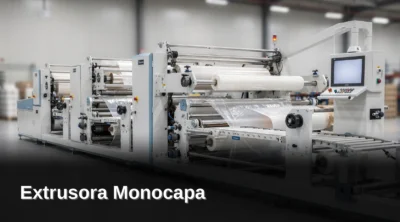
Extrusora Monocapa: Producción Simple y Eficaz
Máquina para hacer bolsas de plástico ofrece extrusora monocapa para HDPE y LDPE con sistema EMS en tiempo real. Producción eficiente y confiable.
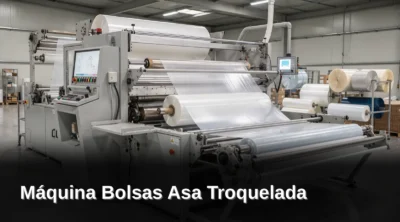
Máquina Bolsas Asa Troquelada: Diseño y Funcionalidad
Máquina para hacer bolsas de plástico especializada en producción de bolsas asa troquelada con diseño reforzado y funcionalidad profesional para retailers en.
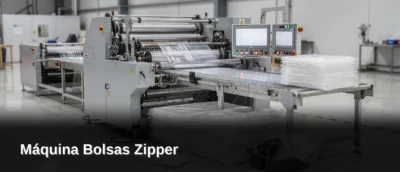
Máquina Bolsas Zipper: Cierre Hermético Reutilizable
Máquina para hacer bolsas de plástico produce equipos automáticos con zipper de cierre hermético reutilizable para alimentos, granulados y empaques flexibles.
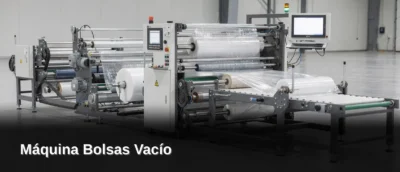
Máquina Bolsas Vacío: Conserva Alimentos Frescos
Máquina para bolsas de vacío fabricada en Canelones, Uruguay. Motor de frecuencia, corte de precisión y sellado hermético para plantas cárnicas, lácteas y de